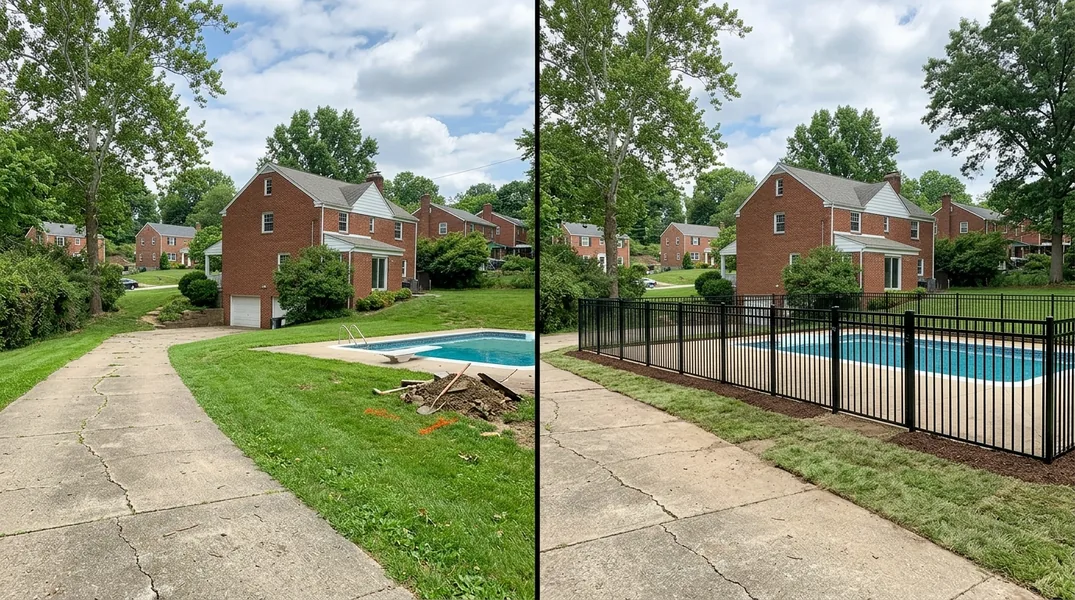
Understanding Ohio Pool Fence Code Requirements
If you own a swimming pool in Cincinnati, you're legally required to install a pool fence that meets strict Ohio regulations. These codes exist for one critical reason: protecting children and preventing accidental drowning. Ohio's pool safety standards are among the most comprehensive in the nation, and failing to comply can result in fines, liability issues, and worse, a tragic accident.
The Ohio Department of Commerce and local building codes mandate that any residential swimming pool must be completely enclosed by a barrier. This barrier isn't optional, and it can't be a makeshift solution. Whether you're installing a new pool or upgrading an existing one, understanding these requirements is the first step toward creating a safe backyard environment. Contact Cincinnati Fence Company for a free estimate to ensure your pool fence meets all local and state requirements.
Pool Fence Height Requirements in Ohio
One of the most fundamental pool fence code requirements in Ohio is the height specification. Your pool fence must be at least 4 feet tall, measured from the ground to the top of the fence. This height is not arbitrary; it's been established through decades of safety research to create a barrier that's difficult for small children to climb over or reach across. Many homeowners are surprised to learn that a shorter fence, even one that seems reasonably tall, doesn't meet code and could leave them liable if an accident occurs.
The 4-foot minimum applies to all sides of the pool enclosure, and there cannot be gaps or inconsistencies in height. If your yard slopes or has uneven terrain, this becomes especially important. A fence that measures 4 feet on one side but only 3 feet on another due to ground elevation won't pass inspection. This is why working with experienced professionals like Cincinnati Fence Company matters. Our team understands how to properly install fencing that maintains consistent height across varied terrain, ensuring your pool area remains fully compliant with Ohio regulations.
Self-Closing Pool Gate Requirements and Specifications
Beyond the fence itself, Ohio law requires that any gate providing access to your pool area must be equipped with a self-closing pool gate mechanism. This gate must also be self-latching, meaning it automatically locks behind anyone who passes through. The gate cannot be propped open, and it must close and latch on its own without requiring manual intervention. Think of it as a safety net that catches human error. Even if someone forgets to close the gate, the automatic mechanism ensures the pool remains secured.
The self-closing pool gate must swing away from the pool, not toward it. This design prevents someone from being pushed into the water by the gate itself. Additionally, the gate must be at least 4 feet tall to match the surrounding fence height, and it cannot have any openings or gaps larger than 1/4 inch. These specifications might seem overly detailed, but they've been refined based on real-world accident scenarios. When you invest in Wood & Privacy Fence Installation for your pool area, ensure that your contractor includes a properly functioning self-closing gate as part of the project.
Spacing and Openings: What Ohio Code Prohibits
Ohio's pool fence regulations are strict about spacing and openings because small children can slip through surprisingly tiny gaps. The code specifies that no opening in the fence or gate can exceed 1/4 inch in width. This applies to gaps between vertical slats, spaces at the bottom of the fence, and openings in decorative elements. Additionally, horizontal rails or supports cannot be spaced more than 4 inches apart, which prevents children from using them as footholds to climb the fence.
If you're considering Vinyl & PVC Fence Installation or other materials, verify that the design meets these spacing requirements before purchasing. Some decorative fence styles might look appealing but fail to meet code. The bottom of the fence must also be installed so that there's no gap between the fence and the ground. This prevents children from crawling underneath. In Blue Ash and surrounding areas, Cincinnati Fence Company ensures every installation meets these exacting standards.
Pool Fence Installation Near Me: Choosing the Right Material
When it comes time to install your pool fence, you'll have several material options, each with different benefits and compliance considerations. Wood fencing offers a classic aesthetic and can be stained or painted to match your home's exterior. However, wood requires regular maintenance to prevent rot and warping, which could eventually compromise the fence's structural integrity and safety. Vinyl fencing is low-maintenance and won't rot, making it a popular choice for pool areas where moisture exposure is constant.
Chain Link Fence Installation is another code-compliant option that's often more affordable and provides excellent visibility into the pool area. Some homeowners prefer Aluminum & Ornamental Iron Fencing for a more elegant appearance. The key is selecting a material that not only meets Ohio's code requirements but also fits your budget and aesthetic preferences. Cincinnati Fence Company can help you evaluate these options and recommend the best solution for your specific situation.
Pool Fence Installation Cost in Cincinnati: What to Budget
Understanding the pricing for pool fence installation helps you plan your budget effectively. Several factors influence the total cost, including the linear footage of fencing needed, the material you choose, site conditions, and whether you need to include a self-closing gate mechanism. A vinyl pool fence typically costs more upfront than chain link but requires less maintenance over time. Wood fencing falls somewhere in the middle but demands ongoing care to remain compliant and safe.
In Montgomery and throughout the Cincinnati area, you can expect to invest anywhere from several hundred to several thousand dollars depending on these variables. Rather than guessing, reach out to Cincinnati Fence Company at (513) 951-6598 to discuss your specific needs and receive a detailed free estimate. Our team will walk you through the options and help you understand where your money is going.
Inspections and Compliance: Protecting Your Family and Your Investment
After your pool fence is installed, most municipalities require an inspection to verify compliance with Ohio code. This inspection ensures that the fence height, gate mechanisms, spacing, and overall construction meet all safety standards. Don't skip this step or attempt to bypass it. An inspection certificate not only keeps you legal but also protects you from liability. If an accident occurs and it's discovered that your fence didn't meet code, you could face serious consequences.
Cincinnati Fence Company has extensive experience with local inspection requirements and builds every installation with compliance in mind. We understand the specific codes enforced in Cincinnati and surrounding communities, and we ensure that every project passes inspection on the first attempt. When you choose a qualified, local contractor, you're investing in peace of mind as well as safety. Your family deserves a pool area that's both beautiful and secure, and proper fencing is the foundation of that security.
Looking for a professional tree service in Cincinnati? Cincinnati Fence Company responds fast for all your fence needs.
Get a Free Quote