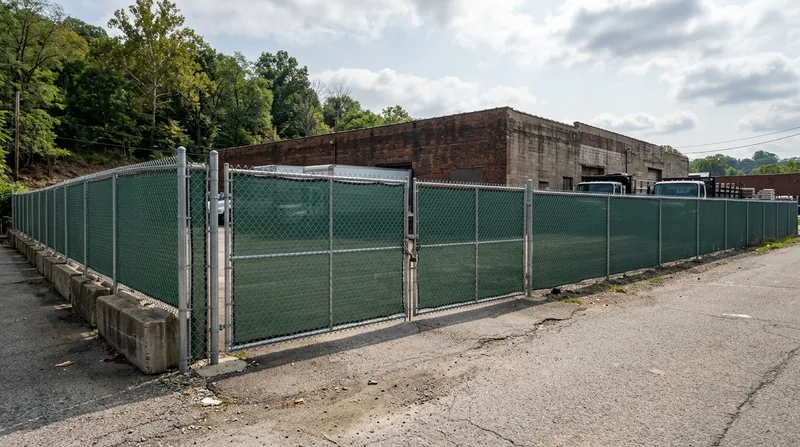




Construction sites, property renovations, and temporary security needs across Cincinnati and surrounding areas require fast, reliable commercial fence installation that meets code, holds up to jobsite traffic, and comes down on schedule. Whether you need temporary construction fence to contain materials and control site access, commercial chain link fencing for long-term security, or silt fence installation to manage stormwater runoff, Cincinnati Fence Company builds and installs systems that work. Since 2015, we've handled jobsites for builders, general contractors, and property managers across Greater Cincinnati, from downtown Cincinnati to Blue Ash, Mason, and West Chester. We know what the code requires, we work fast, and we price fairly for volume work.
Why Commercial and Temporary Fencing Matters for Cincinnati Jobsites
A construction fence is not a luxury. It secures the perimeter, keeps unauthorized foot traffic off the work area, contains dust and debris, and signals to the public that the site is active and controlled. Temporary fence comes down fast when the job finishes, but it has to stand solid the entire time it's up. Silt fence manages stormwater compliance, a requirement on many Cincinnati-area projects where local runoff codes apply. Chain link and temporary systems take abuse from equipment, weather, and heavy use, so they must be installed correctly from day one.
- Temporary construction fence contains materials and controls jobsite access without permanent installation.
- Commercial chain link fencing provides long-term security and visibility for industrial, commercial, and storage properties.
- Silt fence installation meets stormwater and erosion control requirements set by local building departments.
- Temporary systems install and remove quickly, keeping project timelines on track.
- Properly tensioned fence resists wind, equipment contact, and the wear of active construction environments.
Code-aware installation and fast turnaround are the difference between a jobsite that runs smoothly and one that faces delays or compliance issues.
Key info: Cincinnati's building departments set temporary fence height, setback, and material rules by project type and location. Many projects also require Ohio 811 utility locates before any post holes are dug, a legal requirement that protects underground gas, electric, water, and telecom lines. Always verify permit and locate requirements with your local building department before work begins.
For more on fence installation standards and permitting, see the City of Cincinnati Building Services website.
How We Install Commercial and Temporary Fencing in Cincinnati
Our process starts with an on-site walk and a clear understanding of your project timeline, site constraints, and code requirements. We measure the perimeter, identify utility lines through Ohio 811, and plan post spacing and gate placement to match your workflow. We source materials to spec, set posts in concrete or tamped earth depending on the system type and ground conditions, and tension all fabric to eliminate sag and movement. For temporary systems, we mark removal dates and schedule pickup so your site is clear when the job ends.
- We conduct an Ohio 811 utility locate call before digging any post holes to protect underground lines.
- Posts are set in concrete for permanent installations and tamped for temporary systems where code allows.
- Chain link fabric is tensioned using stretcher bars and tension bands to keep it rigid and sag-free.
- Gates are hung plumb and tested for smooth operation and self-closing or self-latching function where required.
- We coordinate removal and hauling for temporary fence on your agreed schedule.
The result is a fence that stands straight, resists wind and impact, and meets every code requirement for your jobsite.
Local example: A renovation project in Montgomery required temporary 6-foot chain link fence around an active demolition site, silt fence along the property line to manage stormwater, and two swing gates for equipment access. We installed the system in two days, conducted weekly tension checks, and removed everything within 48 hours of project completion. The contractor met all permit requirements and stayed on schedule.
Learn more about our chain link fence installation for residential and commercial applications.
Commercial and Temporary Fencing Methods and Materials
| Approach | Description | Best for |
|---|---|---|
| Temporary Chain Link | 11-gauge galvanized or vinyl-coated chain link fabric on steel posts, set in concrete or driven into ground, tensioned with stretcher bars and bands. | Short-term jobsite containment, equipment storage, and construction perimeter control lasting weeks to months. |
| Permanent Commercial Chain Link | 6-gauge or 9-gauge galvanized or powder-coated steel fabric on 2.375-inch steel posts, set 3 feet deep in concrete, fully tensioned and braced. | Long-term security fencing for industrial, commercial, storage, and utility properties that will stand 10+ years. |
| Silt Fence | Erosion control fabric stapled to wooden posts or driven steel stakes, installed along property lines and drainage paths to filter stormwater runoff. | Stormwater and sediment management on active construction, demolition, and grading sites subject to local runoff code. |
| Temporary Vinyl-Coated Chain Link | Vinyl-coated 11-gauge fabric in black, green, or brown on galvanized steel posts, providing weather and UV resistance for extended temporary use. | Multi-month temporary installations where appearance and weather durability matter, such as renovation or retail construction. |
Commercial and Temporary Fencing Cost in Cincinnati: What to Expect
Pricing for commercial fence installation depends on the system type, jobsite conditions, material gauge, and how long the fence will stay up. Temporary chain link runs lower per linear foot than permanent installations because posts are lighter and often not set as deep. Silt fence is the most economical option for erosion control but requires inspection and maintenance throughout the project. A free site quote is always the starting point, and we can usually give a ballpark range once we know the perimeter, post spacing, and gate requirements.
Factors that move the cost up or down include post spacing (standard 5 or 6 feet versus closer spacing for high wind or heavy machinery contact), fabric gauge (lighter 11-gauge for temporary, heavier 6-gauge for permanent), the number and type of gates, site access for equipment and material delivery, and whether posts are set in concrete or tamped. Soil conditions, obstacles like trees or structures, and utility locate complexity can also affect labor time.
Get 2 or 3 estimates before you decide. Confirm that each quote includes post installation, fabric tensioning, gate hanging, and any removal or haul-away services you need. Call our pricing page for detailed breakdowns by system type, or contact us at (513) 951-6598 for a free estimate tailored to your project.
What to Look for When Hiring a Commercial Fencing Contractor Near Cincinnati
When you hire a fence contractor for a jobsite or commercial property, verify that they carry general liability and workers' compensation insurance. In Ohio, fence installation is not licensed at the state level, so contractor registration and licensing requirements vary by city and county. Always ask your local building department what registration or contractor credentials are required for your project scope and location. Get multiple estimates in writing, with a clear breakdown of materials, labor, and timeline. Ask for references from recent commercial or construction projects, not just residential work, and follow up with at least two.
Understand your permit requirements before work starts. Your building department will tell you whether a temporary fence needs a permit, what height and setback rules apply, and whether silt fence is required for your project. If your property is in a homeowners association or subject to deed restrictions, verify fence material and appearance rules with the HOA before installation. Finally, confirm that the contractor will pull an Ohio 811 utility locate call and wait for the locate marks before digging post holes. This protects your site and keeps your crews safe.
Cincinnati Fence Company is fully insured and has been installing commercial and temporary fencing since 2015. We work from your site survey or property line, pull all required locates, and coordinate with your general contractor or project manager every step of the way. Call us at (513) 951-6598 or request a free estimate online to discuss your project timeline and budget.
Commercial & Temporary Fencing in Cincinnati: Pricing Guide
| Service | Price | Details |
|---|---|---|
| Temporary Chain Link Fence | Starting at $8-12 per linear foot | 11-gauge galvanized fabric, posts set or driven, basic tensioning, includes two swing gates |
| Permanent Commercial Chain Link | Starting at $12-16 per linear foot | 6-gauge or 9-gauge galvanized steel, posts set 3 feet deep in concrete, full tensioning, anti-sag bracing |
| Silt Fence Installation | Starting at $3-5 per linear foot | Erosion control fabric, posts or stakes, installation along drainage paths, excludes ongoing maintenance or replacement |
| Gate Installation | Starting at $400-800 per gate | Single or double swing gate, hinges, latch hardware, tension adjustment, includes one gate per estimate |
| Site Estimate | Free | On-site walk, perimeter measurement, utility locate coordination, written quote within 24 hours, no obligation |
| Travel and Setup | Included | No separate mileage or travel fee for Cincinnati and surrounding areas, material delivery included |
Indicative pricing, the exact cost depends on square footage, finish, and site access. Free personalized estimate within 24h at (513) 951-6598.


